
Seller Fulfilled Prime and FBA Alternatives, Explained
FBA is one way to ship Amazon orders. Seller Fulfilled Prime, MFN and Multi-Channel Fulfillment are the others, and they split the work differently between you and Amazon. This page sets out what each program is, who does what, and where a 3PL fits. RitePrep ships merchant-fulfilled Amazon orders from one warehouse in Austin, Texas.
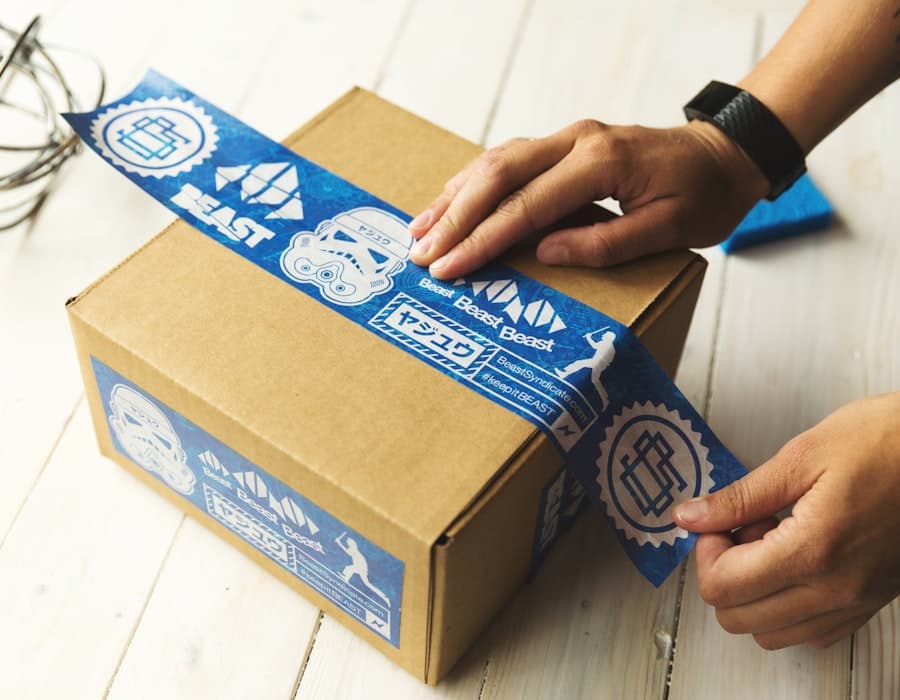
What Is Seller Fulfilled Prime?
Seller Fulfilled Prime is an Amazon program that lets a seller display the Prime badge on listings it ships itself, from its own warehouse or a third-party one, instead of sending the stock into FBA. Amazon sets the delivery promise and the performance standards the seller has to meet.
The mechanics are the opposite of FBA. Your inventory stays where you put it, an order arrives with an Amazon delivery date already promised to the shopper, and your operation has to pick, pack, label and tender it in time to hold that date. Amazon handles post-order customer service for Prime items, including returns, refunds and adjustments, while the physical units come back to the returns address you provide.
That is why SFP is a warehouse question before it is a marketing one. The badge depends on a shipping operation that runs to Amazon's clock rather than yours, including on the days you would rather be closed.
What Does Amazon Require for Seller Fulfilled Prime?
Amazon's program page describes three stages: prequalify, pass a trial, then maintain performance. Prequalifying currently means a Professional selling account, a domestic US address as your default shipping address, and meeting Amazon's prequalification performance requirements on the orders you already ship yourself. The trial runs 30 days, the Prime badge does not show on enrolled offers during it, and you have to meet the performance requirements to pass.
The ongoing requirements cover on-time delivery against the promised date, valid tracking from carriers Amazon can read, a low rate of seller-initiated cancellations, at least one weekend operating day so weekend promises can be kept, and delivery speed that varies by product size tier. Amazon publishes the requirements and their thresholds in Seller Central and revises both, so treat any figure you read elsewhere, including on this page, as out of date until you have checked it there.
One thing worth being plain about: Amazon approves sellers for SFP, not warehouses. No 3PL can hand you the badge. What a warehouse can do is run the cut-offs, weekend coverage and tracking discipline the program depends on, and tell you honestly whether the delivery speeds you need are reachable from where it sits.
What Are the Alternatives to Amazon FBA?
There are four practical routes. FBA, where Amazon stores and ships. Seller Fulfilled Prime, where you ship but keep the badge. MFN, the merchant fulfilled network, where you ship without the badge and set your own handling time. And Multi-Channel Fulfillment, where Amazon ships your non-Amazon orders out of your FBA inventory.
Most sellers who leave FBA do not leave it entirely. The usual pattern is a split: fast movers with good sell-through stay in FBA where the fees are earned back, while oversized units, slow movers, fragile items and anything that has been hit with long-term storage charges move to a 3PL and ship merchant-fulfilled.
FBA vs Seller Fulfilled Prime vs MFN vs MCF
The four programs differ in who holds the stock, who does the physical work, and who owns the delivery promise. Everything else, including the fees and the badge, follows from those three answers.
| FBA | Seller Fulfilled Prime | MFN | MCF | |
|---|---|---|---|---|
| Who stores the stock | Amazon, in its fulfillment centers | You, or a 3PL holding it for you | You, or a 3PL holding it for you | Amazon, in your FBA inventory |
| Who picks and ships | Amazon | You or your 3PL | You or your 3PL | Amazon, for your off-Amazon orders |
| Who sets the delivery promise | Amazon | Amazon sets it, you have to hold it | Your handling time and shipping settings | You pick a speed option per order |
| Prime badge | Yes | Yes, once enrolled and performing | No | Not applicable, the order is off Amazon |
| Who handles returns | Amazon, back into its network | Amazon runs the service, units come to you | You, under Amazon's returns policy | You refund, units go back to Amazon |
| Main trade-off | Least work, least control over cost and packing | Badge kept, strict performance rules | Full control, no badge, slower promise | Amazon speed off Amazon, unbranded boxes |
These are Amazon's programs and Amazon changes their rules. Confirm eligibility, thresholds and fee structures in Seller Central before you build a plan around any row above.
Why Sellers Look for an FBA Alternative
FBA is a good deal for a fast-moving SKU and a poor one for most of the rest of a catalog. The reasons brands start looking are consistent.
Storage and long-term fees: units that sit in an Amazon fulfillment center keep costing money whether they sell or not.
Oversized and awkward SKUs: the bigger and heavier the unit, the worse FBA economics tend to look against shipping it yourself.
Split inventory: keeping one pile of stock in FBA and another for your own store ties up cash and causes stockouts on the channel you did not guess right.
Restocking limits and inbound rules: what you can send in, and when, is Amazon's decision rather than yours.
No control over the unboxing: FBA decides how the order is packed, so the brand experience stops at the listing.
None of that means abandoning Amazon. It usually means deciding, SKU by SKU, which units belong in FBA and which ship better from a warehouse you control.
What Our Amazon Fulfillment Covers
We ship the Amazon orders you fulfill yourself, whether you run them as MFN or you are working toward Seller Fulfilled Prime.
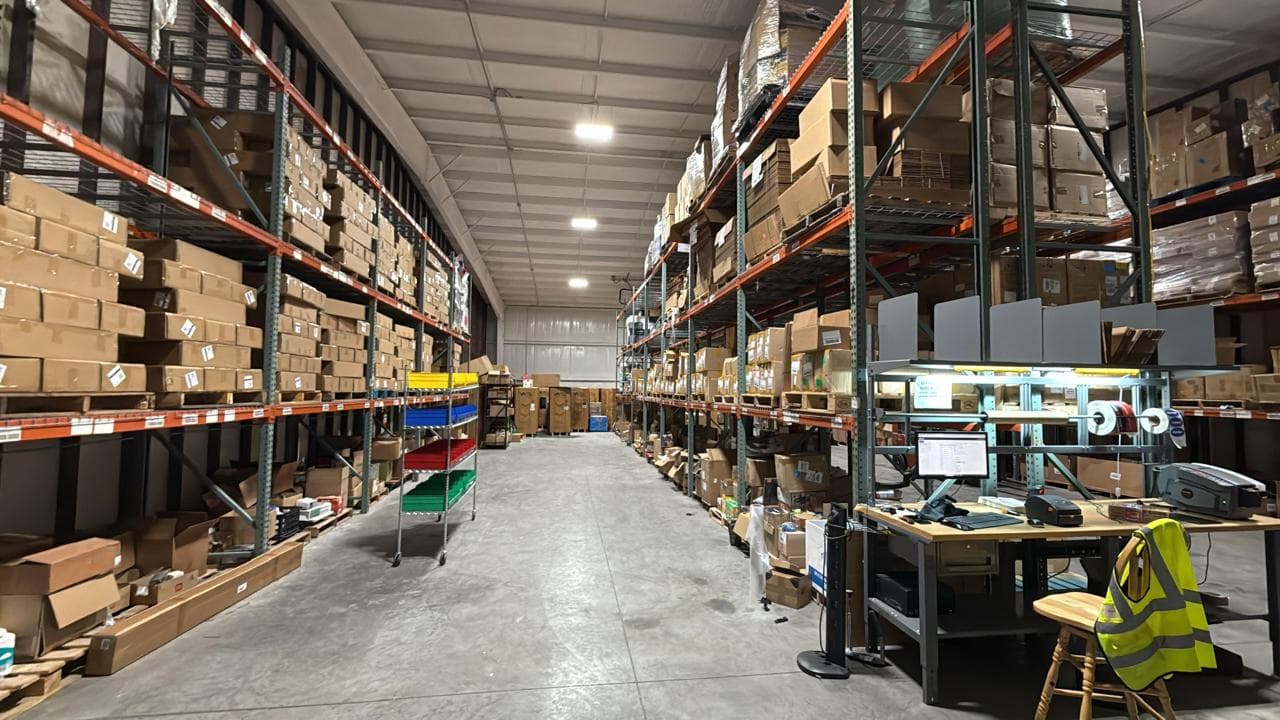
Merchant-Fulfilled Order Shipping
Amazon orders route to our floor, get picked and checked against the order, packed, labeled and tendered to the carrier.
Built Around Your Delivery Promise
Tell us the promise you have to hold and the carrier cut-offs it implies. We tell you what is reachable from Austin before you commit to it.
One Inventory Pool
The same stock in Austin serves Amazon, your own store and your other marketplaces, so you are not guessing how to split it.
Tracking Back to Amazon
Shipments produce tracking that flows back to your channel, which is what Amazon's valid tracking requirement is measuring.
Returns Received and Processed
Returned units come back to the warehouse, get inspected, and go back into sellable stock or your disposition rules.
FBA Prep Under the Same Roof
The units you do want in FBA can be prepped and labeled here and sent in, so a hybrid setup is one vendor rather than two.
Amazon is rarely the only channel. The same Austin inventory also ships Shopify and DTC orders, with FBA prep for the units going into Amazon and returns management for the ones coming back. If delivery speed is the question, our shipping zones from Austin guide shows what a package actually crosses to reach each part of the country, and the 3PL pricing guide breaks down how the fees compare with FBA's.
How Merchant-Fulfilled Amazon Orders Run Here
Scope the Promise
We start from the delivery dates you need to hold and the SKUs you want out of FBA, then quote against that.
Connect Your Channels
Amazon and your other stores link to our system so orders arrive without manual entry.
Send Your Inventory
Stock ships to our Austin, TX warehouse, either direct from your supplier or out of FBA on a removal order.
We Receive and Slot It
Units are checked in, counted and stored in locations chosen for retrieval speed rather than density.
Orders Route to the Floor
Each Amazon order is picked, verified at the pack station, packed and labeled for the carrier.
Ship and Sync
The package is tendered to the carrier and tracking flows back so your channel and Amazon stay current.
Who This Is Built For
This fits Amazon sellers who want something other than sending every unit into FBA.
Why Brands Use RitePrep for Amazon Orders
We have run fulfillment and Amazon prep for growing brands since 2020, from one building rather than a subcontracted network.
One Warehouse in Austin, Texas
You know where your stock is and who is handling it. Central Texas gives efficient carrier access in most directions.
Prep and Fulfillment Together
The same team can prep units for FBA and ship the ones you keep out of it, so a hybrid strategy is not two vendors.
Straight Answers on Delivery Speed
If a promise is not reachable from Austin for a given destination, we say so before you enroll a listing rather than after.
Order-by-Order Verification
Items are checked against the order at the pack station, because a mispick on Amazon costs more than a refund.
Direct Communication
You talk to the people running your account, not a ticket queue.
What Seller Fulfilled Prime Asks of a Warehouse
Read past the marketing and SFP is a list of operational commitments. These are the ones that land on the warehouse rather than on your listings:
Amazon enrolls sellers, not warehouses, and we do not claim to enroll you or guarantee a badge. What we can do is run the operation underneath it and be honest about which delivery promises are reachable from Austin.
Running FBA and a 3PL at the Same Time
The decision is rarely all or nothing. Splitting a catalog between FBA and a 3PL is normal, and it usually comes down to five questions per SKU:
Units already inside FBA can be pulled out on an Amazon removal order and received here, so a split can be phased rather than done in one move.
Where We Ship From: Austin, Texas
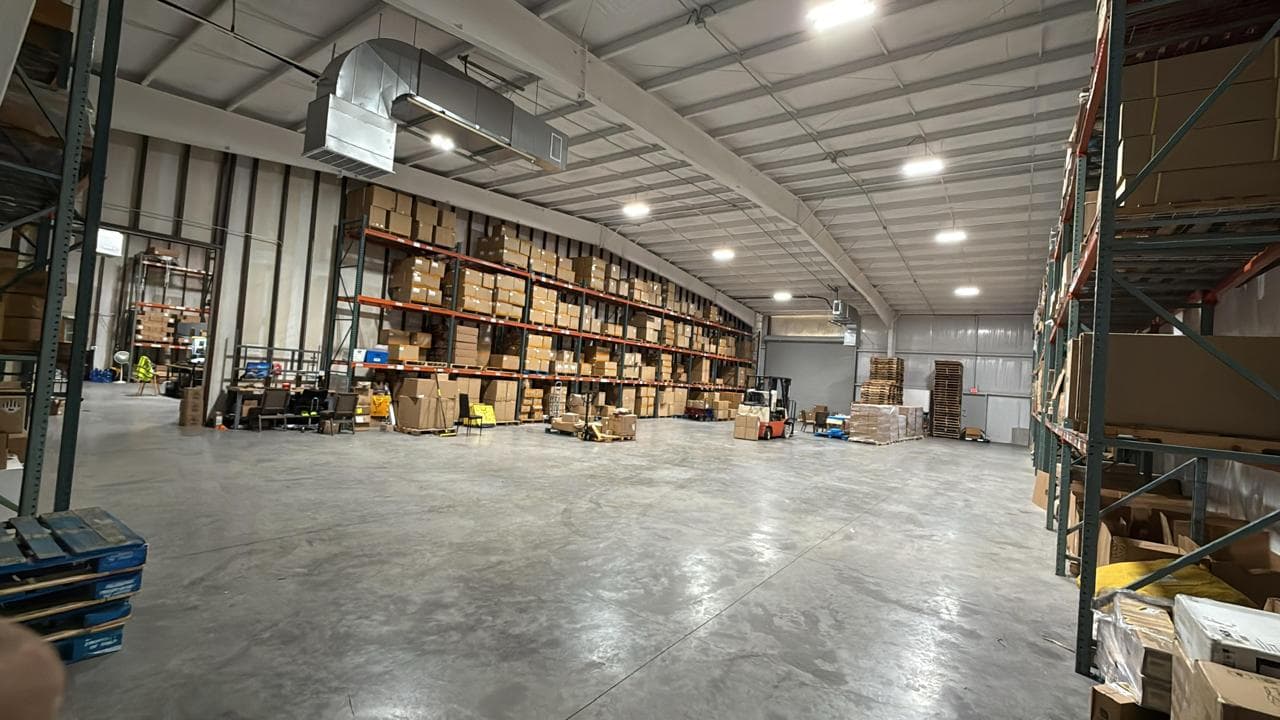
RitePrep runs one warehouse, in Austin, Texas. That matters more for merchant-fulfilled Amazon orders than for most fulfillment work, because the delivery date you can promise depends on how far a package has to travel and which carrier service covers that distance in time.
Questions, answered
Seller Fulfilled Prime is an Amazon program that lets a seller show the Prime badge on listings it ships itself, from its own warehouse or a third-party one, rather than sending the stock into FBA. Amazon sets the delivery promise shown to the shopper and the performance standards the seller has to meet to keep the badge.
Work Out Which Orders Should Leave FBA
Send us your SKU list, your order profile and the delivery promise you want to hold. We will tell you what is reachable from Austin and what it costs, before you change anything.