
Magento Fulfillment, Explained for Magento and Adobe Commerce Stores
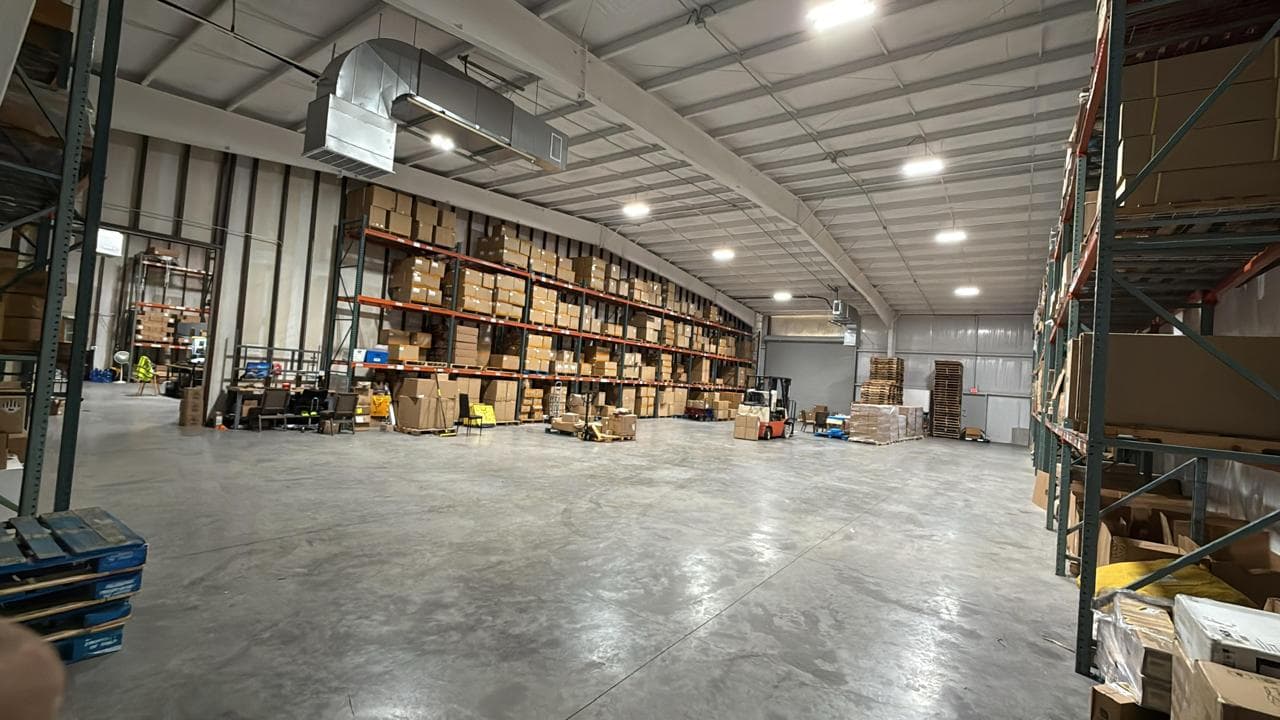
Your Magento store can take orders around the clock. Your fulfillment has to keep up. This page covers how Magento order fulfillment works, how an order travels from the store to a warehouse and back, and where multi-source inventory fits. RitePrep runs the physical side for Magento and Adobe Commerce stores from one warehouse in Austin, Texas.
What Is Magento Fulfillment?
Magento fulfillment is the work of getting orders placed on a Magento Open Source or Adobe Commerce store to the customer: storing the inventory, receiving each order, picking and packing it, shipping it, and writing the shipment and tracking number back to the order in Magento. A store can run it in-house or hand it to a 3PL.
Magento records orders, invoices, shipments, and stock, but it does not store or ship anything. The physical work happens on a shelf somewhere, either your own or a fulfillment partner's. Pairing the store with a 3PL means the back end keeps up with the front end: orders flow to the warehouse, inventory stays accurate, and customers get tracking without manual work.
Magento Open Source and Adobe Commerce share the same core. Open Source is the free edition that merchants host themselves; Adobe Commerce is the licensed edition, available on premises or as a cloud service run by Adobe, with extra features on top. For fulfillment the order flow is the same in both, so a 3PL that works with one generally works with the other.
How Multi-Source Inventory Fits a 3PL
Magento's Inventory Management, formerly called Multi-Source Inventory or MSI, is installed by default in both editions. It uses a few terms worth knowing. A source is a physical location that holds stock. A stock links one or more sales channels, meaning your Magento websites, to one or more sources. Salable quantity is what a sales channel can sell: the stock held across the sources assigned to its stock, minus open reservations.
When a customer places an order, Magento records a reservation that lowers the salable quantity straight away, before anything leaves a shelf. The reservation clears once the order ships and the source quantity is updated. In a typical 3PL setup the warehouse is treated as a source, and the counts it reports back are what keep that source honest. If you also hold stock somewhere else, such as a retail store or your own back room, each location is its own source and Magento can add them together.
How a Magento Store Connects to a 3PL
In general, Magento and 3PL integrations run through Magento's API, an extension installed in the store, or a middleware service that sits between the two. The method and how often data moves differ from one provider to the next, so it is a fair question to ask any 3PL which one it uses for your version and hosting.
Whatever the connection, the jobs are the same: send paid orders to the warehouse, send shipments and tracking numbers back, and keep stock levels in step. Custom attributes, heavily modified checkouts, and multi-website setups are where Magento integrations usually need the most testing, because Magento stores are often customized far more than stores on hosted platforms.
How a Magento Order Moves Through a 3PL
Step by step, this is what happens in Magento and at the warehouse from the moment an order is placed to the moment stock levels settle.
| Step | In Magento | At the 3PL warehouse |
|---|---|---|
| Order placed | The order is created and a reservation lowers the salable quantity. | Nothing yet. The warehouse has not seen the order. |
| Order sent | The order is passed to the 3PL through the integration, usually once it is paid. | The order lands in the warehouse queue with its SKUs, address, and ship method. |
| Pick and pack | The order stays open. Salable quantity already reflects it. | Items are picked, checked against the order, and packed. |
| Shipped | A shipment is created on the order with the carrier and tracking number. | The label is applied, the package goes to the carrier, and tracking is sent back. |
| Customer notified | Magento can send its shipment email with the tracking link. | No action needed. The store owns the customer message. |
| Stock settled | The reservation clears and the source quantity matches the shelf. | On-hand counts are reported back so the source stays accurate. |
| Return | A credit memo refunds the order and can put the items back in stock. | The return is received, inspected, and restocked or set aside. |
This is how Magento to 3PL integrations generally work, not a description of any one connector. Timing, and which system triggers each step, varies by provider and by how your store is configured.
Where Magento Sellers Get Stuck
A flexible store is only half the battle. Fulfillment is where growth gets hard.
Manual order handling: copying orders into a shipping tool by hand wastes time and creates mistakes.
Inventory drift: stock counts in Magento fall out of sync with what is actually on the shelf.
Slow, costly shipping: without negotiated rates and a central warehouse, delivery eats into margin.
What's Included in Our Magento Fulfillment
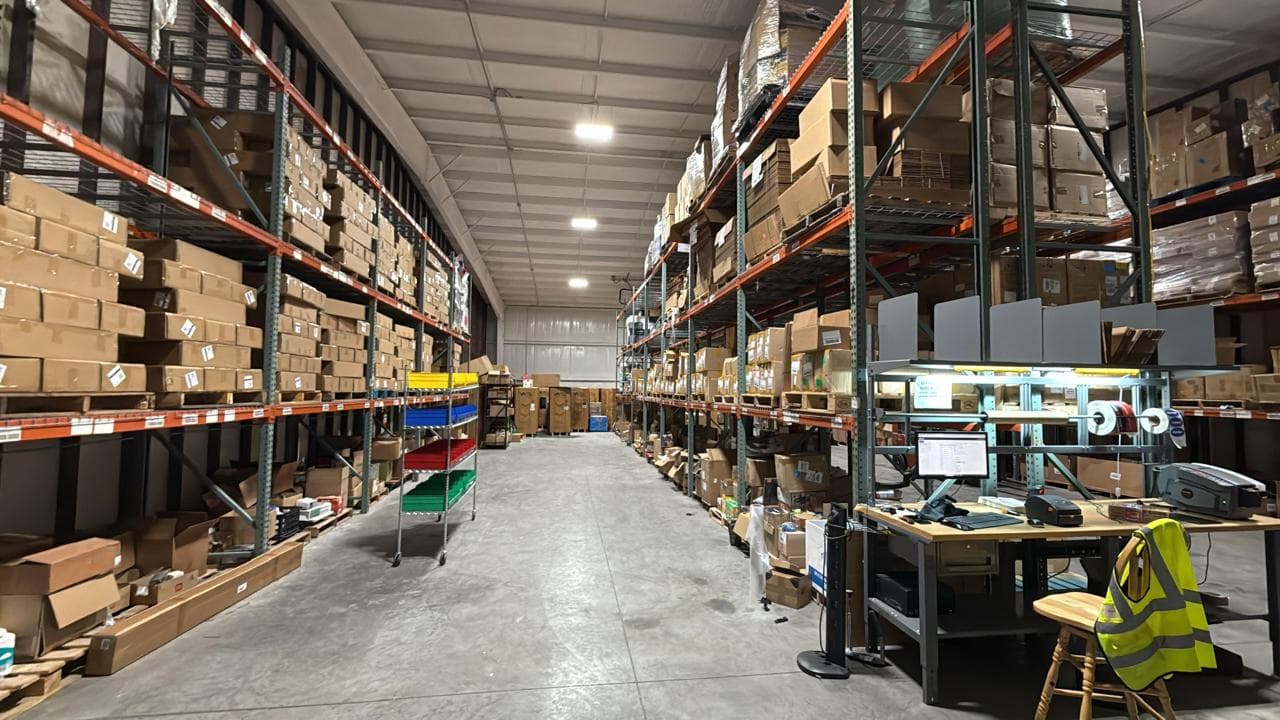
We connect to your Magento store and run the entire order journey behind the scenes.
Magento Order Sync
Orders flow from your Magento or Adobe Commerce store straight to our warehouse floor, no manual entry.
Real-Time Inventory
Stock levels stay accurate so your store reflects what is actually available.
Pick and Pack
Each order is picked, checked, and packed securely for shipment.
Fast Nationwide Shipping
Our central Texas location keeps transit times and shipping costs down.
Tracking Sync
Tracking numbers flow back to your store and customers automatically.
The same Austin inventory pool can also feed Shopify and marketplace orders, which is the point of omnichannel fulfillment. If your Magento store also sells wholesale, B2B fulfillment covers those bulk and retailer orders. For how stock counts stay trustworthy, see our guide to ecommerce inventory management, and our 3PL pricing guide breaks down how fulfillment fees fit together.
How Our Magento Fulfillment Works
Calculate Price
Request a quote for your order volume and catalog.
Connect Magento
We link your Magento or Adobe Commerce store to our system.
Send Your Inventory
Ship your products to our Austin, TX warehouse.
We Store and Slot
Inventory is received, counted, and stored for fast picking.
Orders Sync Automatically
New orders route from Magento to our warehouse floor.
We Pick, Pack, and Ship
Each order ships out with tracking synced back to your store.
Who Our Magento Fulfillment Is Built For
Our Magento fulfillment fits brands on Magento or Adobe Commerce ready to outsource shipping.
Questions, answered
Magento fulfillment is the process of storing inventory and shipping orders placed on a Magento or Adobe Commerce store. A 3PL connects to your store so orders sync automatically and get picked, packed, and shipped without manual work.
Get Started With Magento Fulfillment Today
Stop hand-processing Magento orders. Let our Austin, TX team run your fulfillment end to end so you can focus on growth.